Signer vs Signor: What’s the Difference?
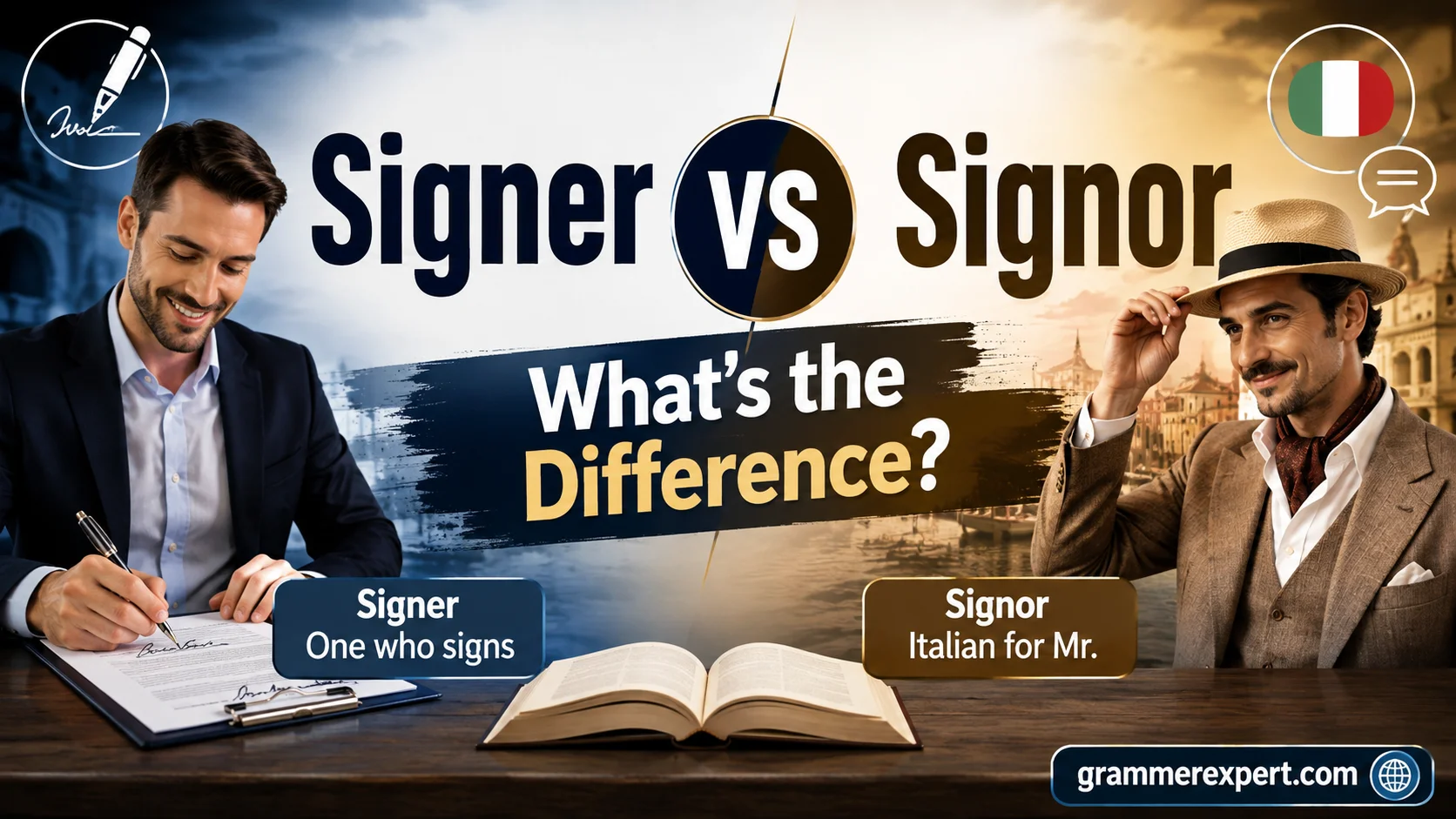
Signer vs Signor: What’s the Difference?

Understanding Signer vs Signor: What’s the Difference? helps you choose the right word in legal writing, contracts, and Italian communication.  In formal writing, legal documents, emails, contracts, social media posts, and banking documents, signer and signor may cause confusion because they are similar sounding words, but their meanings, origins, and uses differ. A signer is … Read more
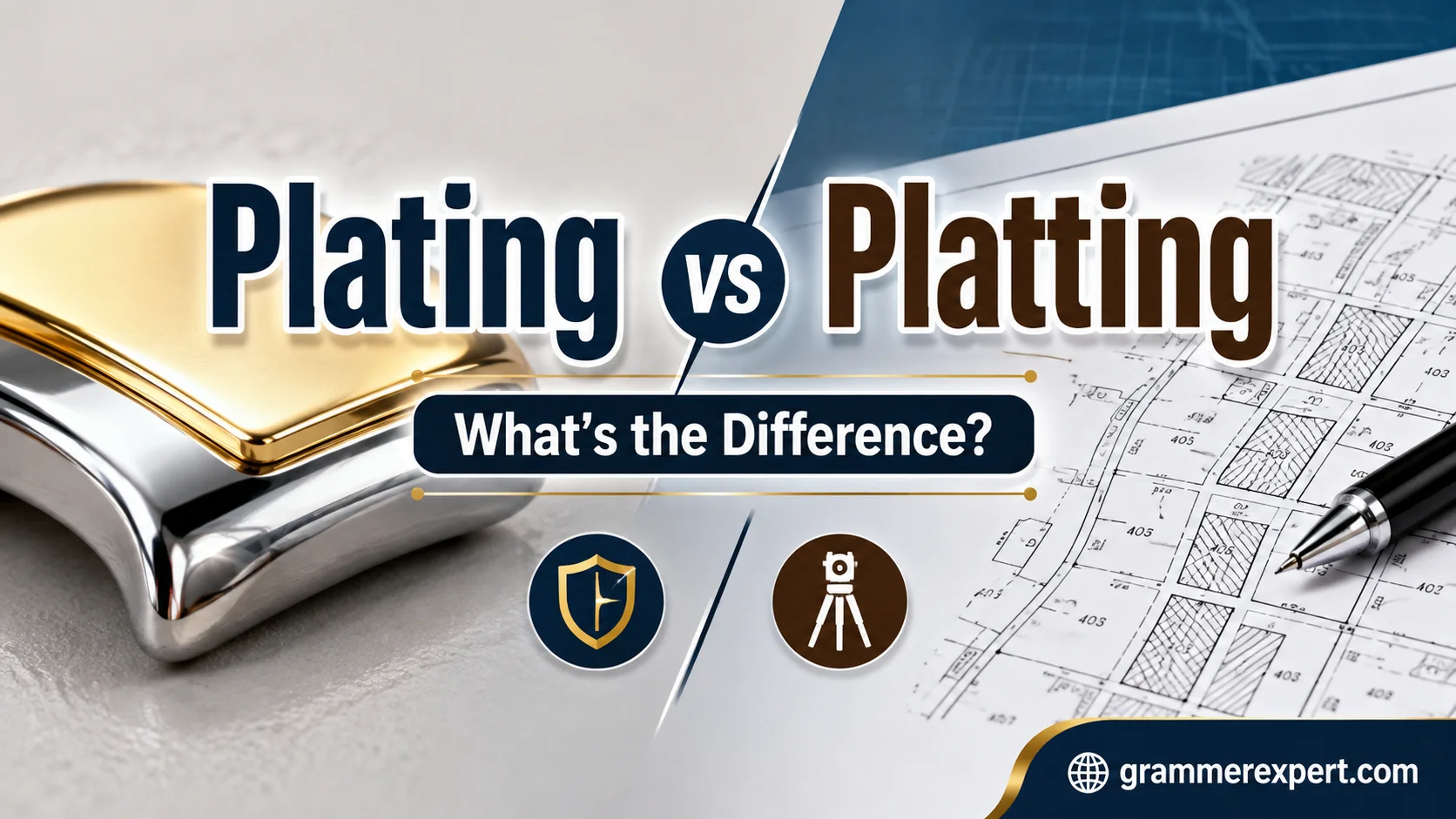
Plating vs Platting: What’s the Difference?

Plating vs Platting: What’s the Difference?

Plating vs Platting: What’s the Difference? Learn their spelling, meaning, usage, and examples so you can choose the correct word with confidence. The plating, platting, and plaiting spelling can cause confusion because these words have different meaning, definitions, and terms, even though they look or sound alike. In everyday contexts, plating usually means adding a … Read more

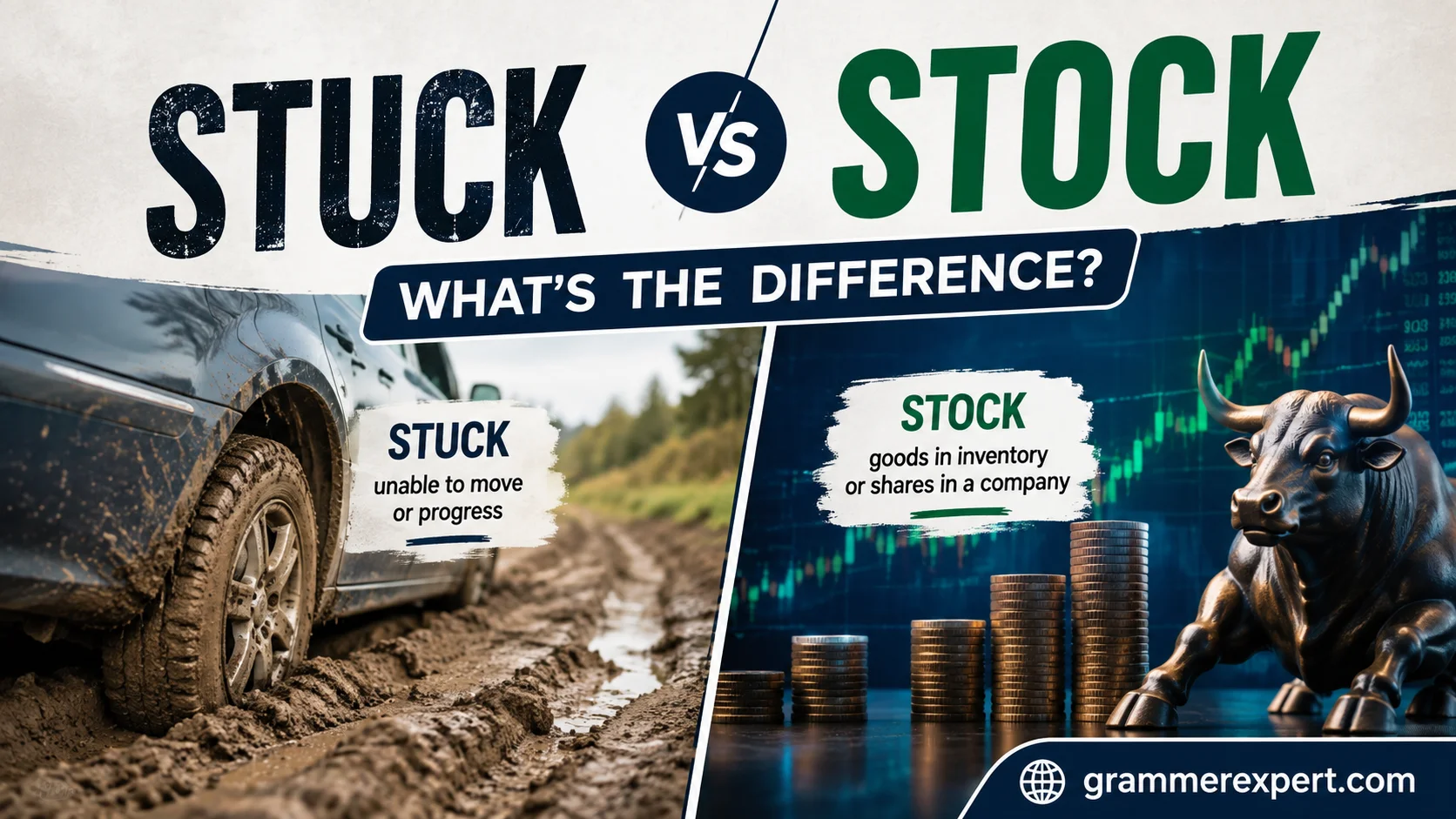
Stuck vs Stock: What’s the Difference?

Stuck vs Stock: What’s the Difference?

Learn Stuck vs Stock: What’s the Difference? by comparing their meanings, usage, and examples so you can choose the right word with confidence. English learners often get confused because Stuck and Stock sound similar, look alike, and are easy to mix up, but their pronunciation and grammatical roles are different. This distinction matters in speaking, … Read more

Comming vs Coming: What’s the Difference?

Comming vs Coming: What’s the Difference?

Comming vs Coming: What’s the Difference? confuses English learners because both spellings sound alike, but Coming is the correct form in English. For English learner writers, students, bloggers, content writers, and every writer, this common confusion can cause hesitation. If you’ve typed “I am comming,” you may hesitate because the words sound the same, creating … Read more

Useful vs Usefull: What’s the Difference?

Useful vs Usefull: What’s the Difference?

Useful vs Usefull: What’s the Difference? explains why Useful is correct and Usefull is wrong in standard English spelling, grammar, and rules. In the English language, Useful and Usefull often cause spelling confusion because the words sound similar, but they have different meanings. The correct spelling is Useful, while Usefull is the wrong version in … Read more

Bright vs Brite: What’s the Difference?

Bright vs Brite: What’s the Difference?

Bright vs Brite: What’s the Difference? Bright is the standard spelling and correct spelling in standard American English, making it the regular choice in English writing, regular prose, and a sentence. The word has appeared in dictionaries for 1,000 years and comes from Old English beorht, meaning shining or radiant. Its uses include strong light, … Read more

Waring vs Wearing: What’s the Difference?

Waring vs Wearing: What’s the Difference?

If you’re confused about waring and wearing, you’re not alone. These words look similar, but they have different meanings, so the difference matters when you write or speak clearly. Waring vs Wearing: What’s the Difference? explains why wearing is correct for clothes, while waring is usually a spelling mistake in everyday English. The correct and … Read more

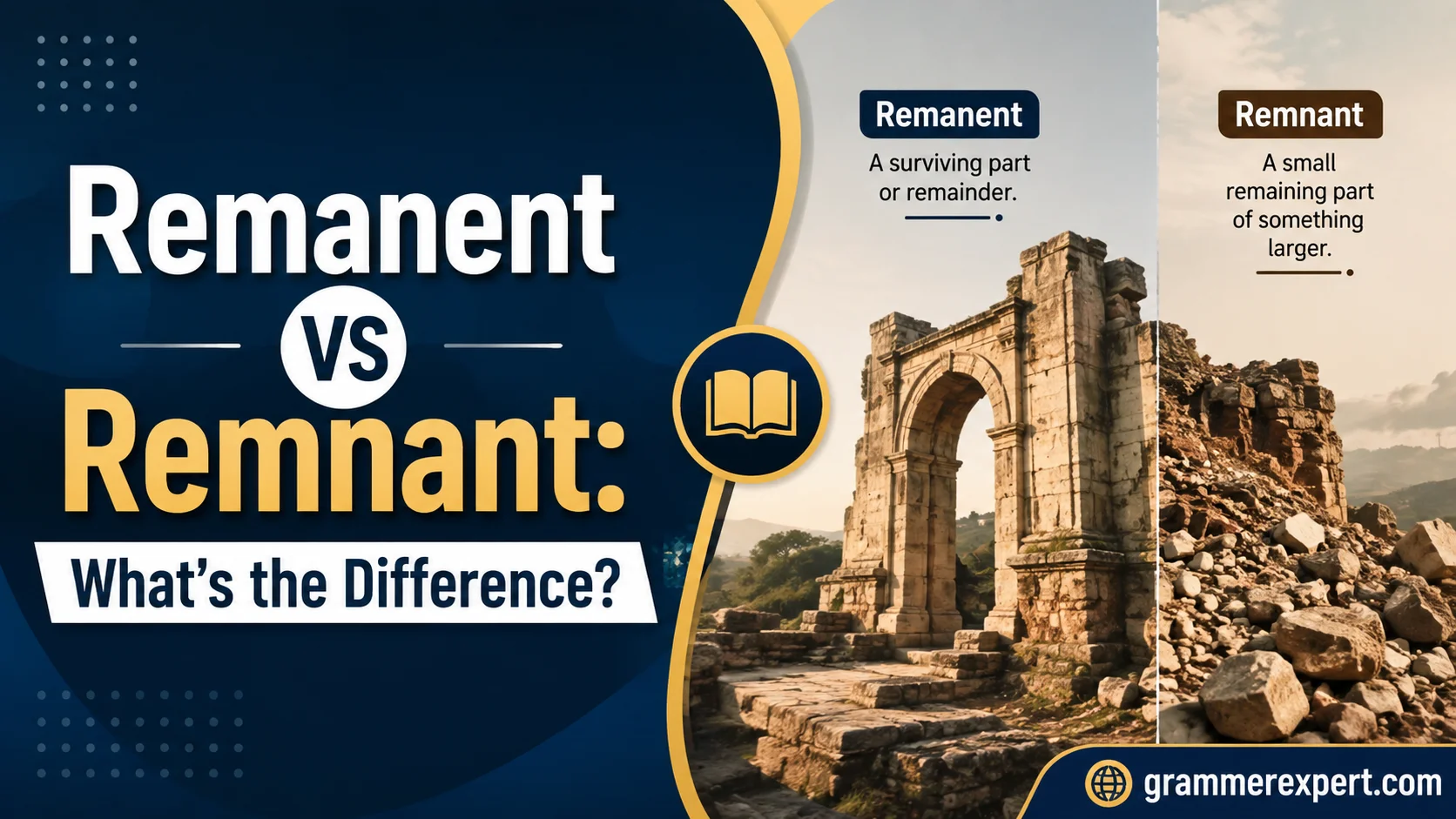
Remanent vs Remnant: What’s the Difference?

Remanent vs Remnant: What's the Difference?

Understanding Remanent vs Remnant: What’s the Difference? starts with their close spelling, pronunciation, origins, meanings, and definitions. These words can confuse readers at a glance because they look almost identical. Remnant is a common English word and noun that describes a remaining piece, small portion, small remaining quantity, or leftover part of something larger. For … Read more

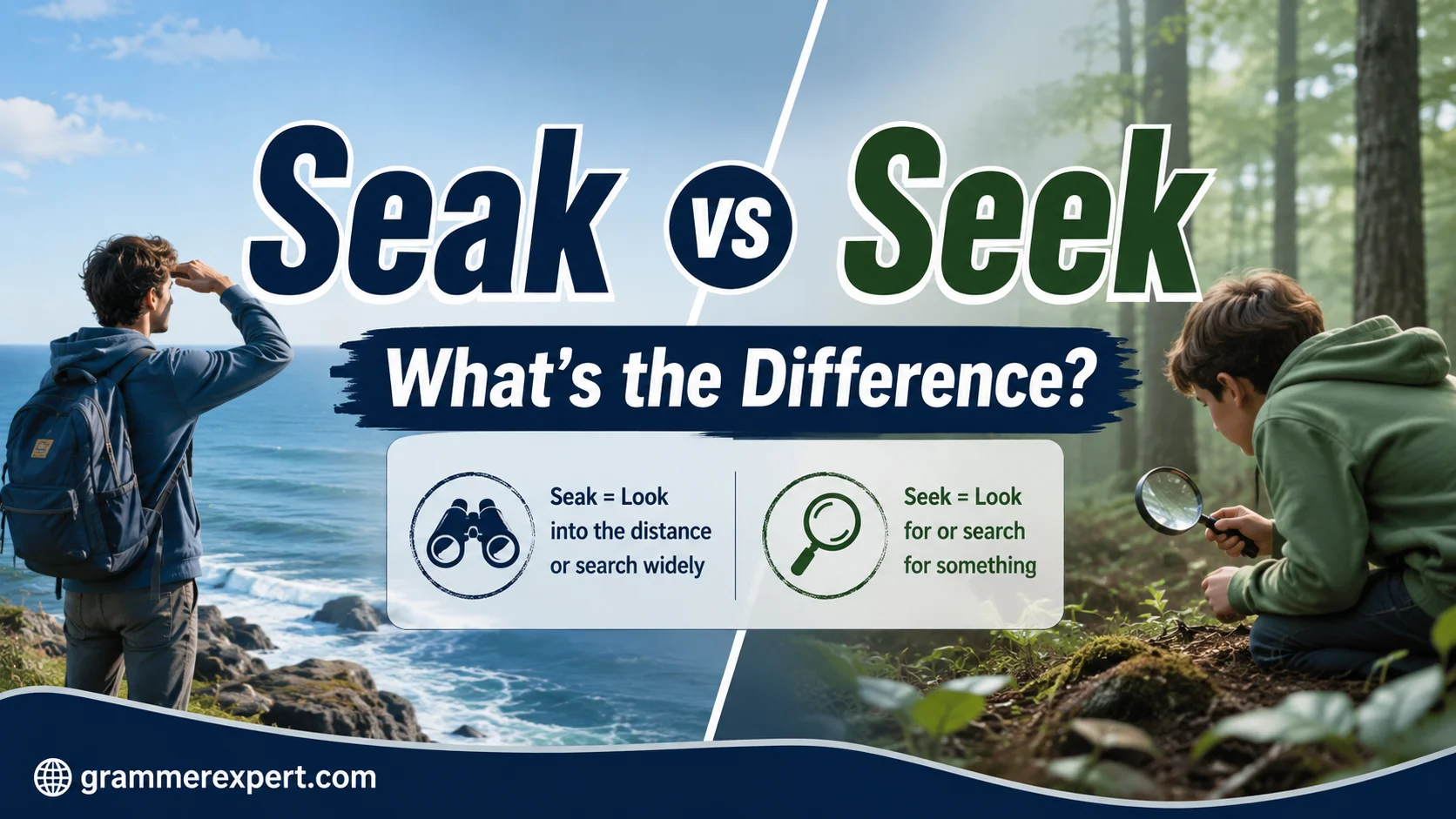
Seak vs Seek: What’s the Difference?

Seak vs Seek: What’s the Difference?

This guide to Seak vs Seek: What’s the Difference? explains the correct spelling, meaning, pronunciation, and grammar in simple English for learners. Seak and seek are often confused because they sound similar, especially among English learners, students, writers, and native speakers. Many people search online for the correct form, but seek is the only accepted … Read more